




Pricing Guide
Choosing the Right Desk for Your Melbourne Office in 2025
Dec
Choosing the right desk for your Melbourne workspace in 2025 is not a nice-to-have detail. It is one of the core decisions that shapes how your team works, how your space looks, and how comfortable everyone feels day to day.
For a startup founder, every square metre and every dollar counts. The wrong desk can crowd a small office, limit collaboration, and leave staff with sore backs and cluttered surfaces. The right desk supports laptops, dual monitors, paperwork, and storage, without wasting space or stretching the budget. It sends a clear message to clients and investors that your business is organised, focused, and here for the long term.
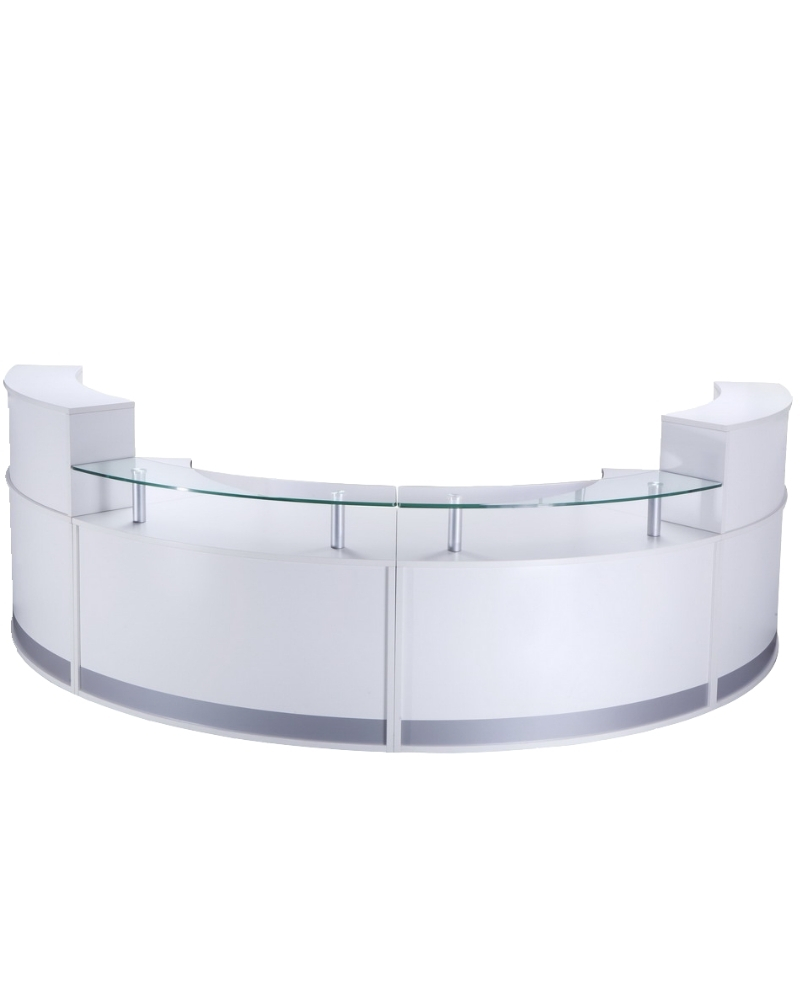
In a café or restaurant, the “desk” often shows up as service counters, POS stations, and worktops for admin or rostering. These surfaces need to be compact, durable, and easy to clean. If they are uncomfortable or badly placed, staff move less efficiently and the customer experience suffers. A practical, stylish work surface helps your team move quickly in peak times, and it keeps your back-of-house looking as polished as your dining area.
For school administrators, desks must handle constant use from staff and students. Procurement needs to tick boxes for ergonomics, safety, and compliance, while still fitting within strict budgets and timelines. A well chosen desk layout can reduce clutter in staff rooms, improve concentration in offices, and support technology in shared learning spaces.
The common thread is simple. The right desk improves productivity, supports posture and comfort, and makes your space feel professional and welcoming. Poor desk choices do the opposite. They create bottlenecks, distractions, and ongoing replacement costs.
Melbourne workplaces also have specific pressures, such as compact CBD offices, busy hospitality strips, and schools that must install furniture during tight holiday windows. This is why fast availability, straightforward ordering, and reliable quality matter just as much as colour or style.
This guide will help you cut through the noise, whether you are fitting out a startup office, a busy café, or a school admin area. You will see what to prioritise in desk size, shape, materials, ergonomics, and budget, and how to choose furniture that works hard for you in the real world.
Key Factors to Consider When Choosing a Desk
rr
Before you lock in any desk for your Melbourne workspace, it pays to be clear on a few non‑negotiables. If you get these right from the start, you avoid buyer’s remorse, constant adjustments, and early replacements.
rr
Ergonomics and Everyday Comfort
r
Your desk should support healthy posture and reduce fatigue across a full shift. Look for:
r
- r
- Correct working height, so forearms sit roughly level with the desk surface. r
- Room for monitors at eye level, plus a separate keyboard and mouse. r
- Clear leg space, with no intrusive beams or drawers where knees and feet need to move. r
r
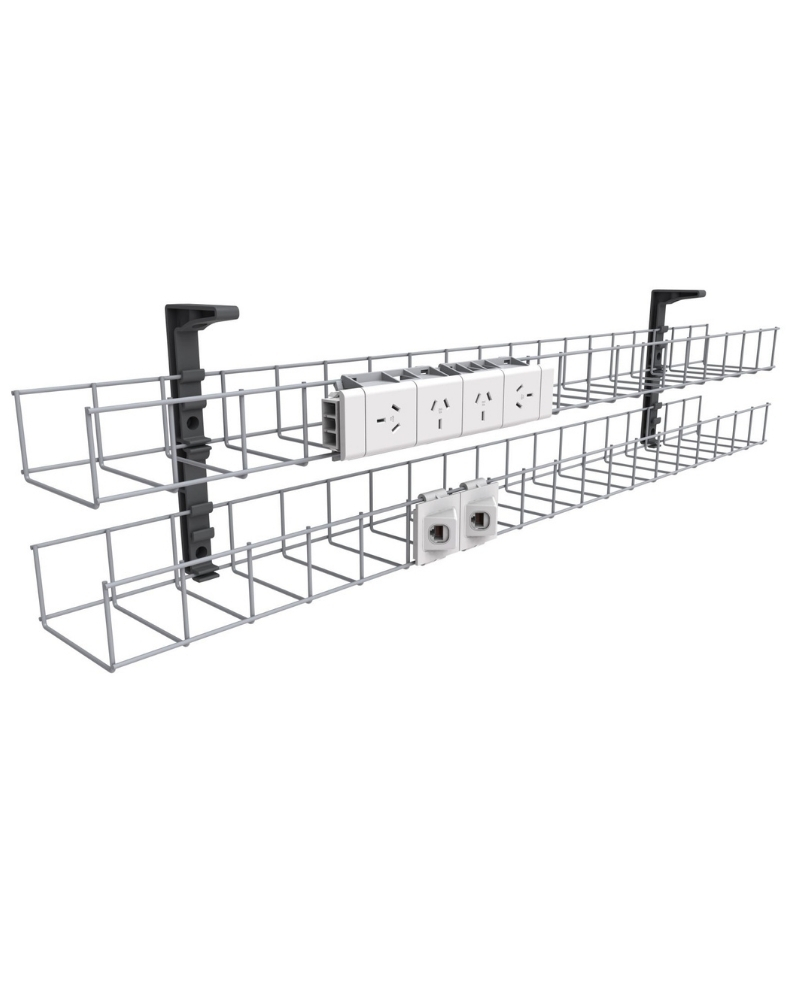
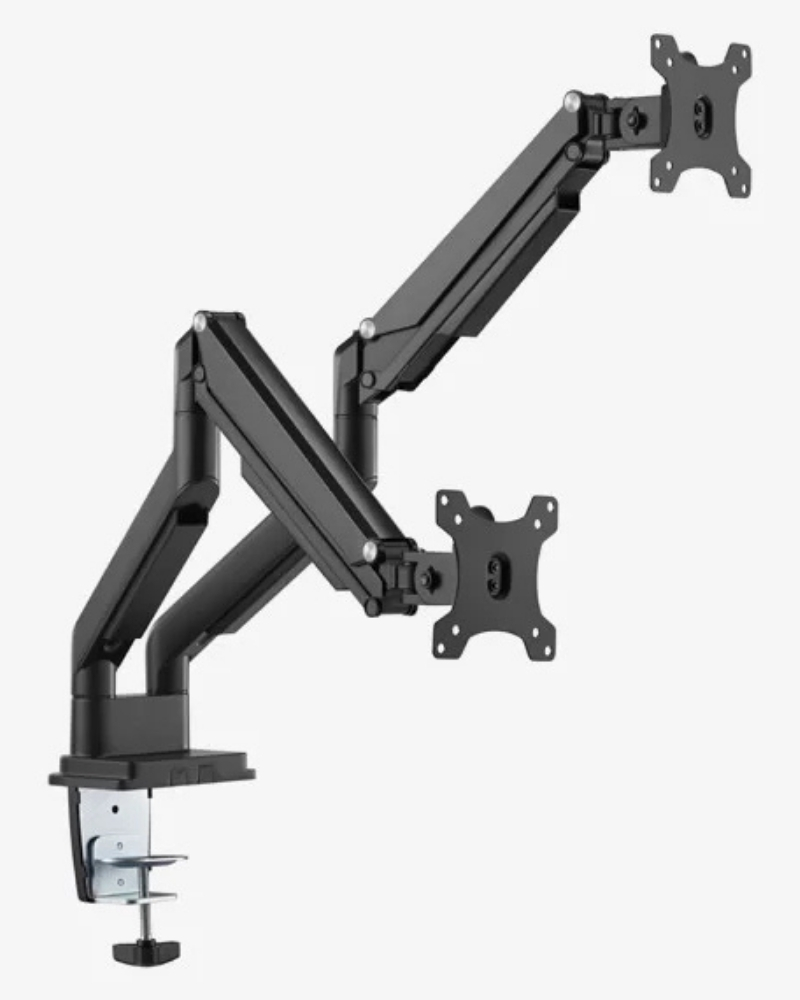
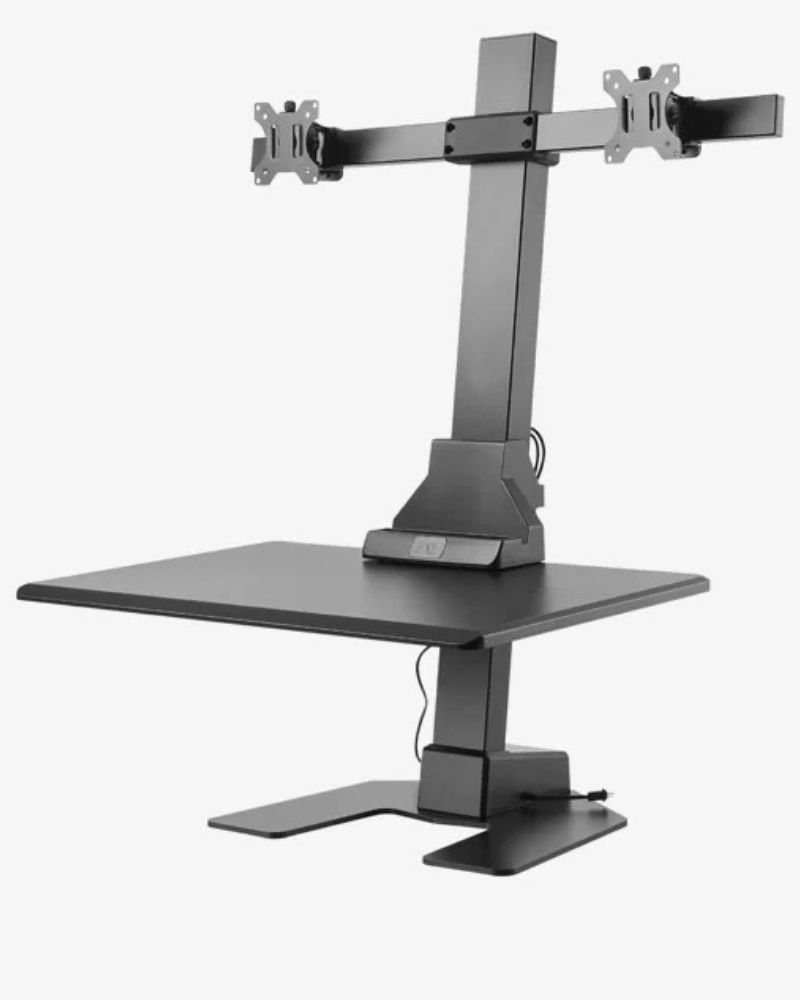
Pair your desk with a quality ergonomic chair and, if needed, monitor arms or under‑desk cable trays. This creates a clean, comfortable workstation that supports focus instead of strain.
rr
Material, Durability, and Maintenance
r
For startups, cafés, and schools, desks must handle long days and heavy use. When comparing materials, check for:
r
- r
- Durable surfaces that resist scratches, stains, and heat from laptops or coffee cups. r
- Easy cleaning with standard commercial cleaners, important for hospitality and shared spaces. r
- Solid frames and fixings that do not wobble or loosen with regular use. r
r
Ask about warranty coverage and weight ratings, especially for admin offices and ICT heavy setups.
rr
Size, Shape, and Layout
r
Melbourne workplaces often juggle compact floor plans with big expectations. Measure carefully and think about:
r
- r
- Available footprint, including walkways, chair movement, and access to doors or POS areas. r
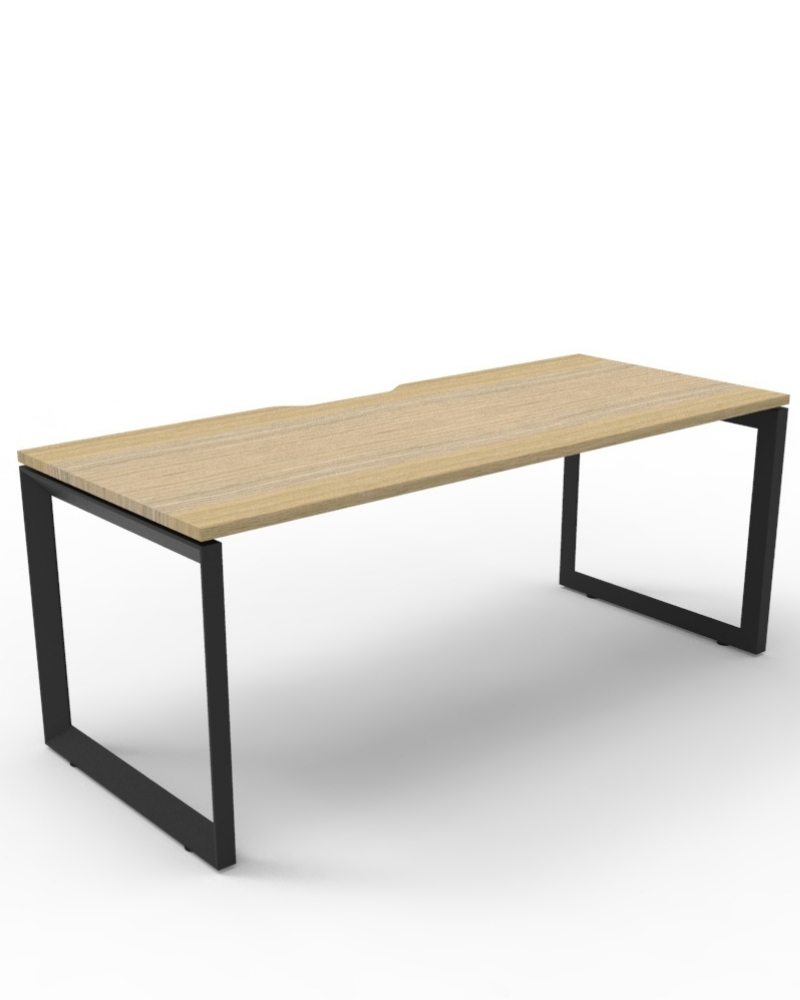
- Shape, such as straight desks, corner units, or shared benching to suit your workflow. r
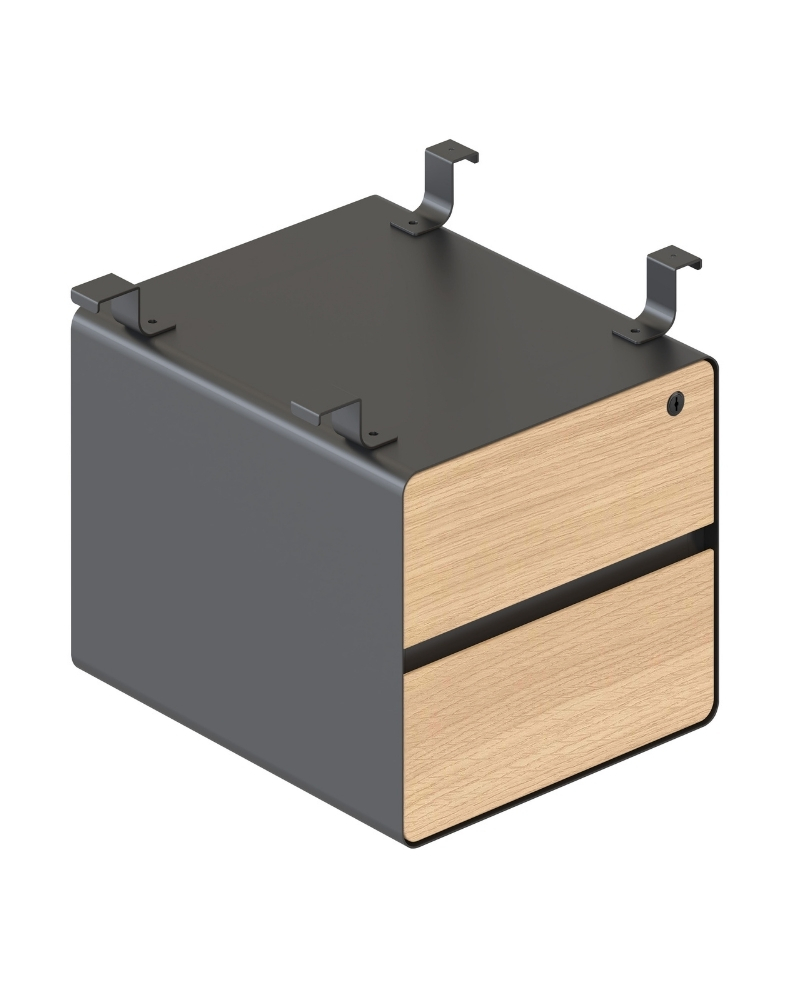
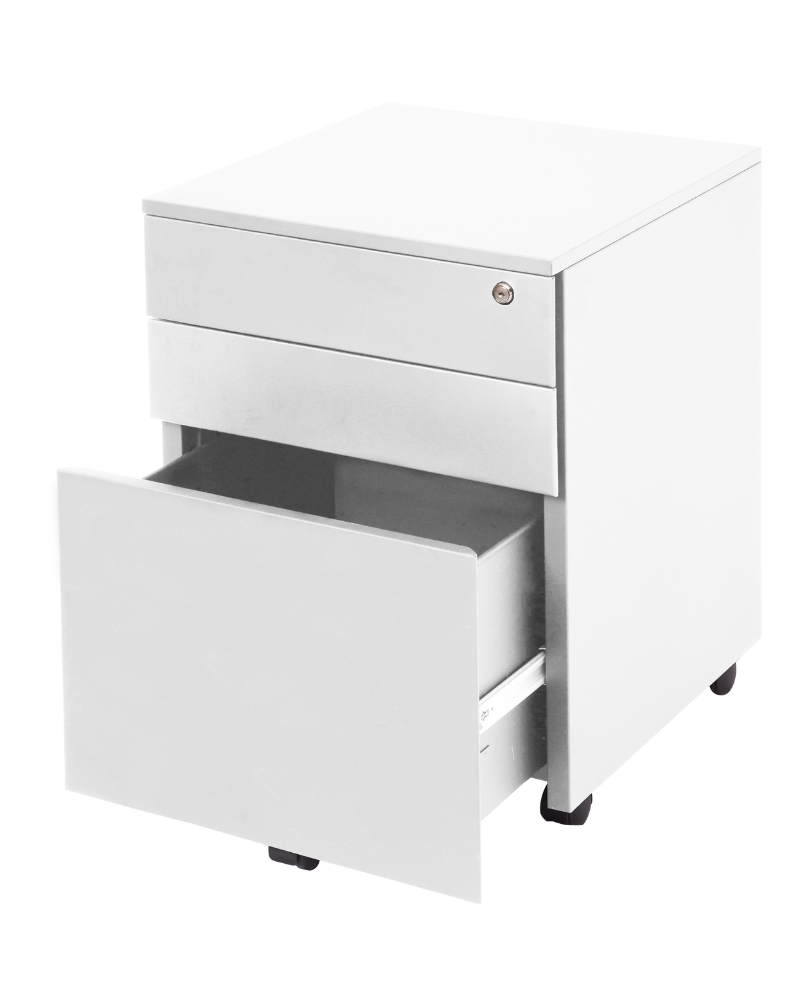
- Storage needs, including under‑desk mobiles, hutches, or shared cupboards. r
r
If space is tight, consider space saving desk designs, then build storage vertically or in shared zones.
rr
Style, Brand Alignment, and Atmosphere
r
Your desk is a visible part of your brand. For a startup, a modern, clean finish projects professionalism. For a café, warm timber or industrial style tops can tie in with the dining area. In schools, neutral, tidy desks help keep offices calm and organised. Aim for a consistent look across the workspace so the whole environment feels planned, not patched together.
rr
Budget, Delivery, and Ease of Purchase
r
You want value, not the cheapest unit that fails in a short period. Set a realistic budget per workstation, then prioritise ergonomics and durability first, visual extras second. Many Melbourne businesses benefit from:
r
- r
- Bulk pricing for multiple desks or full fitouts. r
- Clear lead times that fit around openings, school holidays, or office moves. r
- Simple online ordering with transparent delivery costs across metropolitan areas. r
r
Choose a supplier that offers quick turnaround in Melbourne and can coordinate delivery and installation so your new desks are ready to use with minimal downtime.
Tailoring Desk Choices to Specific Needs
rr
Startup Business Owners: Productive, Professional, and Affordable
r
For a startup office in Melbourne, your desks need to work hard from day one. Focus on ergonomic workstations that support long screen hours and quick collaboration, without draining your fitout budget.
r
Look for:
r
- r
- Comfortable working height with enough depth for monitors, a laptop, and paperwork. r
- Cable management so you are not staring at tangled leads when clients visit. r
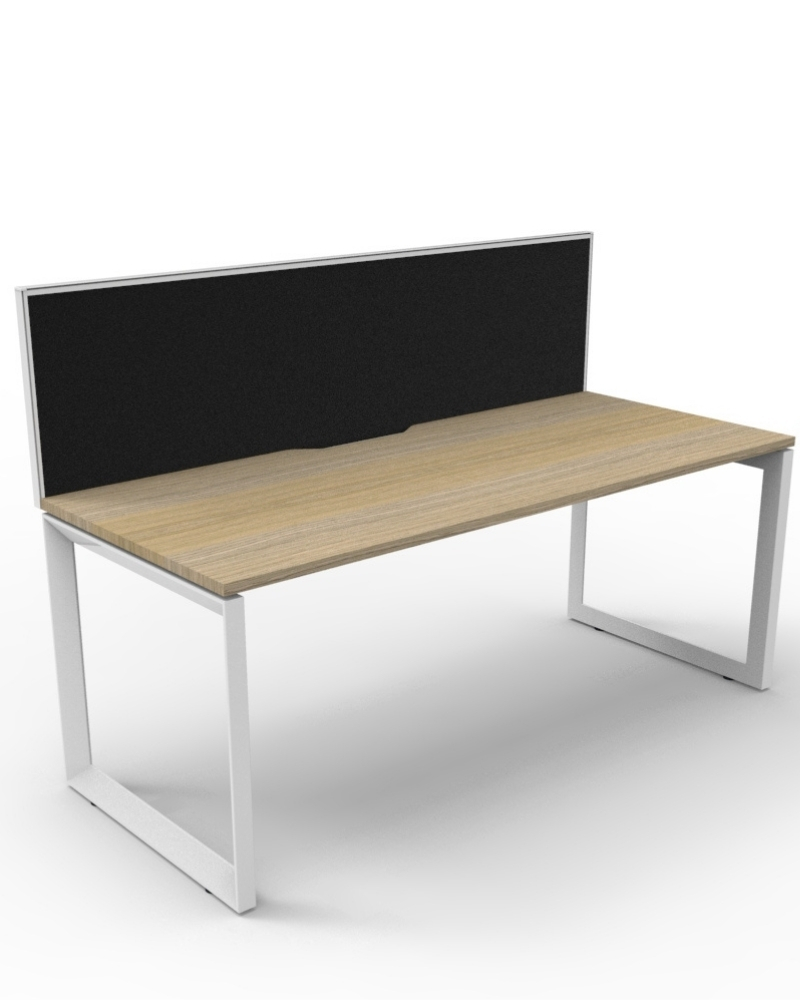
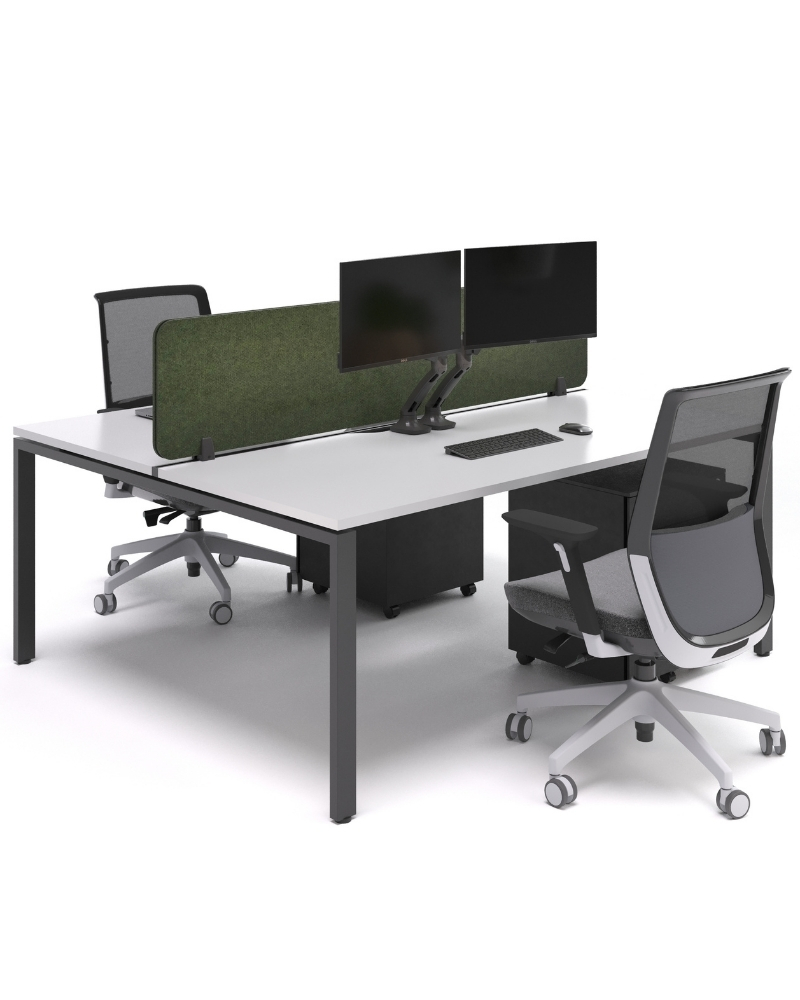
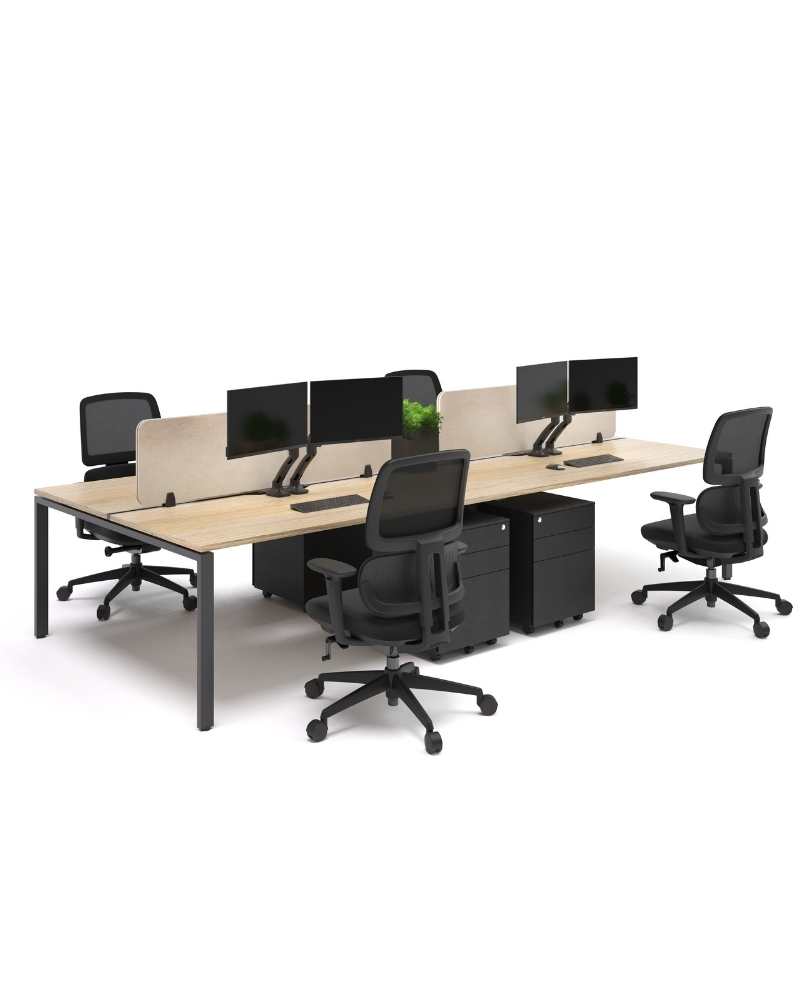
- Modular or bench style desks that can grow as you add new team members. r
- Neutral, modern finishes that work with simple branding and do not date quickly. r
r
Pairing practical desks with a good ergonomic chair gives your team comfort and focus across the week. If you are planning a full fitout, it can help to review a broader office furniture budget guide so you balance spend across desks, chairs, and storage.
rr
Cafés and Restaurants: Stylish, Compact, and Easy to Clean
r
In hospitality, your “desks” often sit behind the scenes. Think admin benches, POS counters, and service stations. These need to be slim, durable, and wipe clean, without interrupting the flow between kitchen, floor, and coffee machine.
r
Prioritise:
r
- r
- Hard wearing tops that resist spills, food stains, and constant cleaning. r
- Compact footprints that still allow staff to work side by side at peak periods. r
- Under bench storage for till rolls, menus, and cleaning products, to keep surfaces clear. r
- Finishes that match your concept, such as timber look for warm venues or clean whites for a modern feel. r
r
If your POS or admin area is visible from the dining room, choose a consistent style with your tables and chairs so everything feels intentional. For a deeper look at hospitality furniture choices, you can explore guidance on furniture for modern cafés.
rr
Schools and Educational Offices: Robust, Compliant, and Practical
r
For school offices and admin spaces, the priority is clear. You need robust desks that handle constant use, fit neatly around existing storage and ICT, and align with procurement and compliance requirements.
r
Focus on:
r
- r
- Sturdy frames and hardwearing surfaces that cope with daily use and frequent cleaning. r
- Simple, neutral colours that sit well with existing cabinetry and are easy to reorder in future rounds. r
- Appropriate dimensions for equipment such as printers, desktop PCs, and shared filing areas. r
- Product warranties and documented specifications to support internal approvals. r
r
Where budgets are tight, standardised desk sizes across multiple rooms can keep costs predictable and make future replacements easier. The goal is a consistent, calm workspace that supports staff and students, without creating ongoing maintenance issues.
Material and Build Quality: What Works Best in Different Settings
rr
Once you are clear on layout and ergonomics, the next decision is what your desks are actually made from. Material choice directly affects how long your furniture lasts, how it looks after a long shift, and how much time you spend cleaning or repairing it.
rr
Common Desktop Materials: Pros and Cons
r
Melamine and laminate are the workhorses in most commercial spaces. They offer:
r
- r
- Good durability against scratches and everyday wear in offices and schools. r
- Easy cleaning with standard surface cleaners, ideal for shared desks and staff rooms. r
- Consistent finishes that are simple to match when you add more workstations. r
r
The trade off is that very heavy impact or harsh chemicals can damage the surface over time, so staff training on basic care helps.
rr
Timber and timber veneer bring warmth and a premium feel, popular in executive offices and higher end hospitality. They create a strong first impression, but usually need a bit more care. Spills should be wiped quickly and abrasive cleaners avoided.
rr
Metal frames and legs provide strength and stability. They suit all three audiences, from startups with monitor arms, through to cafés with busy service counters, and schools with constant chair movement. Powder coated finishes handle knocks better than bare metal.
rr
Composite and compact laminate (often used for hospitality and high traffic tops) are designed for tough environments. They resist moisture and frequent cleaning, which suits cafés and some school areas where food and drinks are common.
rr
Best Fits for Startups, Hospitality, and Schools
r
- r
- Startups usually get the best value from melamine or laminate tops on steel frames. You get a modern, professional look, reliable strength, and easy expansion as the team grows. r
- Cafés and restaurants benefit from compact laminate or commercial grade melamine that tolerates heat, wipes clean quickly, and does not absorb spills. Pair these with sturdy metal bases to cope with fast moving staff. r
- Schools and admin offices need hardy melamine or laminate with thick edging and strong frames that cope with frequent cleaning and constant use. r
r
If you want to explore more about hardwearing finishes in busy venues, see our guidance on durable commercial furniture materials.
rr
How to Spot Quality Build and Long-Term Value
r
When you compare desks side by side, look beyond colour and shape. Use this quick checklist:
r
- r
- Check the edging. Thick, well fitted edges protect against chipping and moisture. This matters in schools and hospitality where surfaces take more hits. r
- Test stability. Lightly rock the desk. A quality frame should feel solid, with no wobble. r
- Inspect fixings. Look for metal brackets, tidy welds, and secure screws, not flimsy joins. r
- Ask about weight ratings if you plan to load desks with monitors, printers, or POS gear. r
- Confirm warranty terms. A clear commercial warranty gives you confidence the supplier stands behind the build quality. r
r
Good materials, backed by sound construction and a proper warranty, mean fewer surprises, fewer replacement orders, and a workspace that keeps looking professional for longer.
Optimizing Space and Functionality
rr
In Melbourne, space is rarely unlimited. Whether you are fitting out a compact startup office, a tight café service area, or a busy school admin block, the right desk layout can give you more usable room without sacrificing comfort or productivity.
rr
Choosing Desk Designs for Tight Floor Plans
r
Start by mapping how people move through the space. Mark out clear walkways to doors, printers, POS terminals, and shared equipment. Then look for desk designs that work within those paths.
r
- r
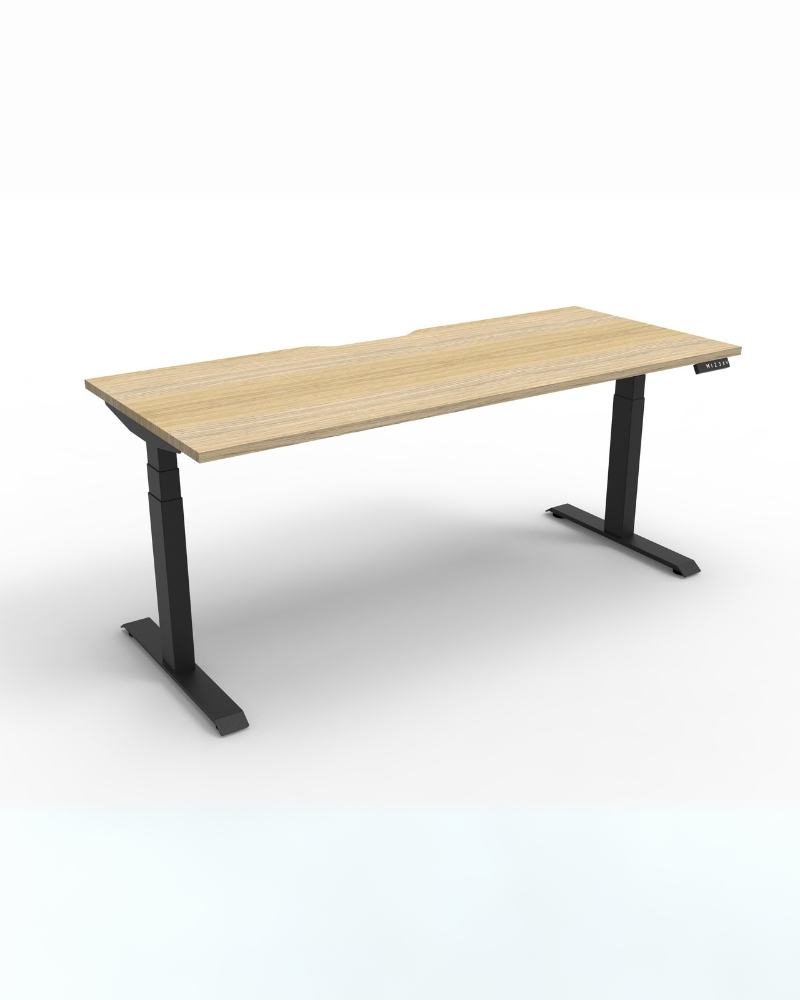
- Straight desks suit small offices and admin rooms where you want simple rows or wall runs. r
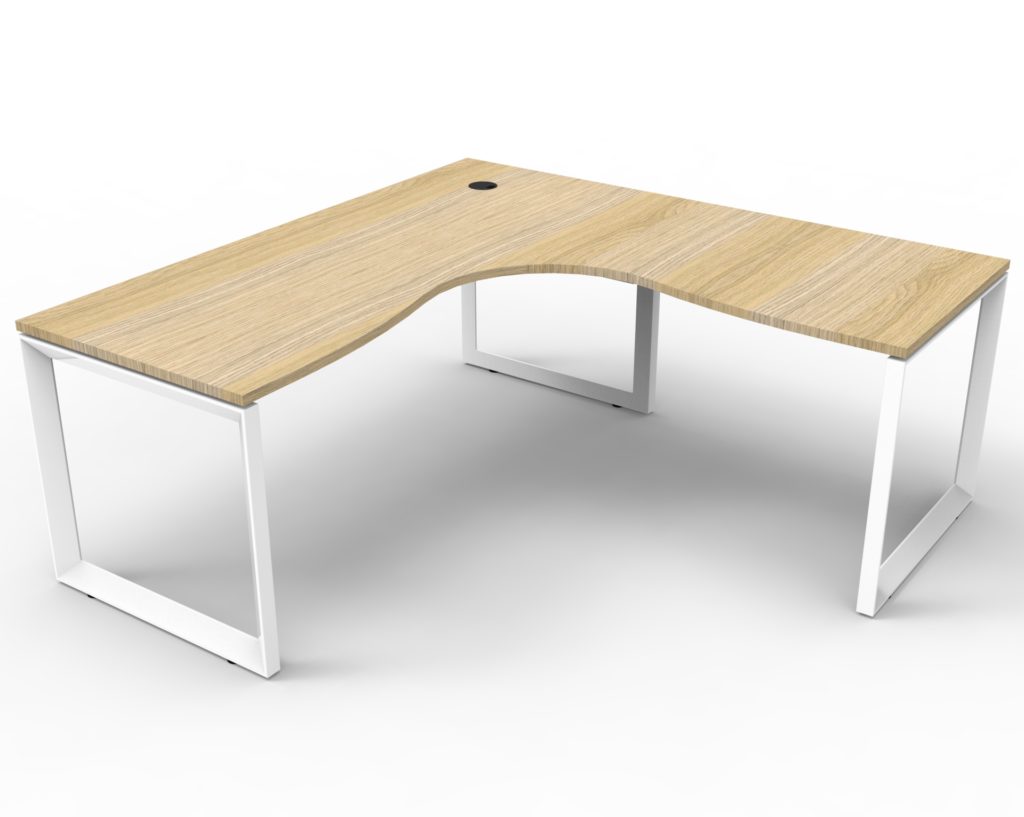
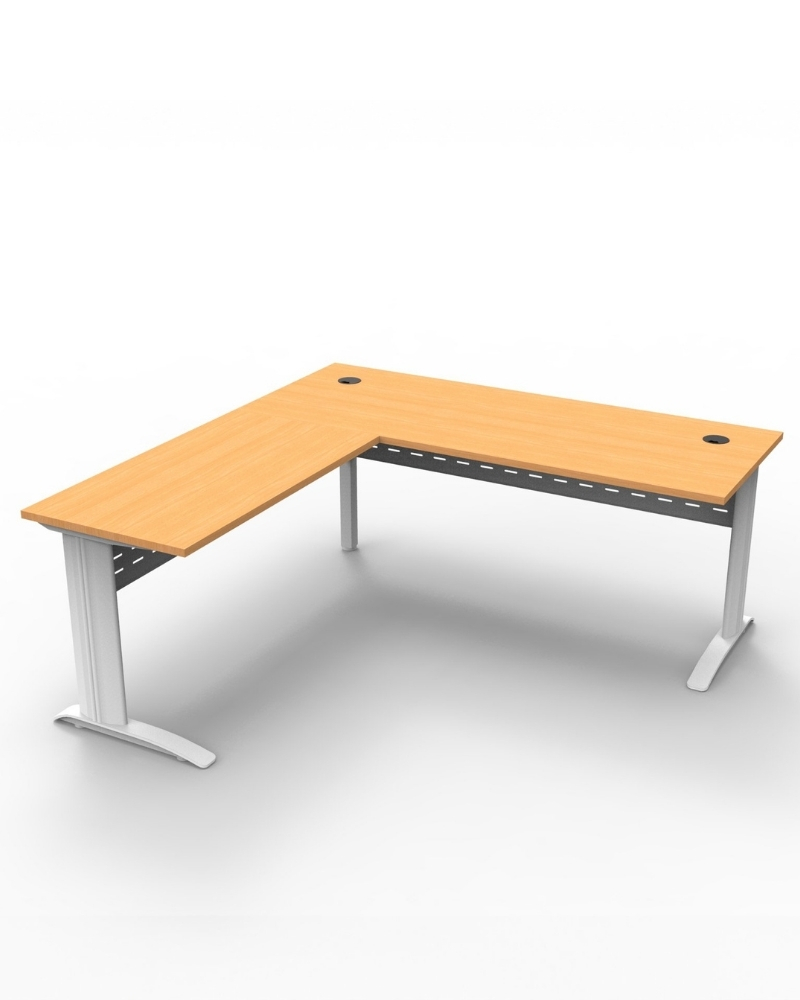
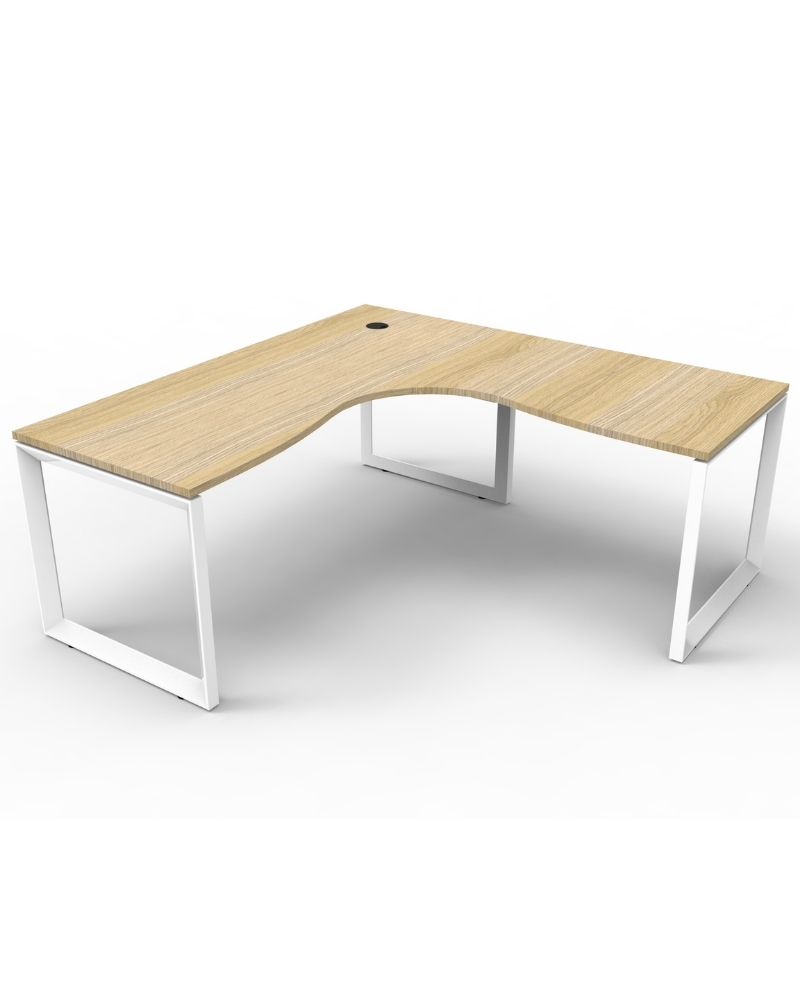
- Corner or L shaped desks help maximise corner space and provide extra surface for files, POS gear, or student resources. r
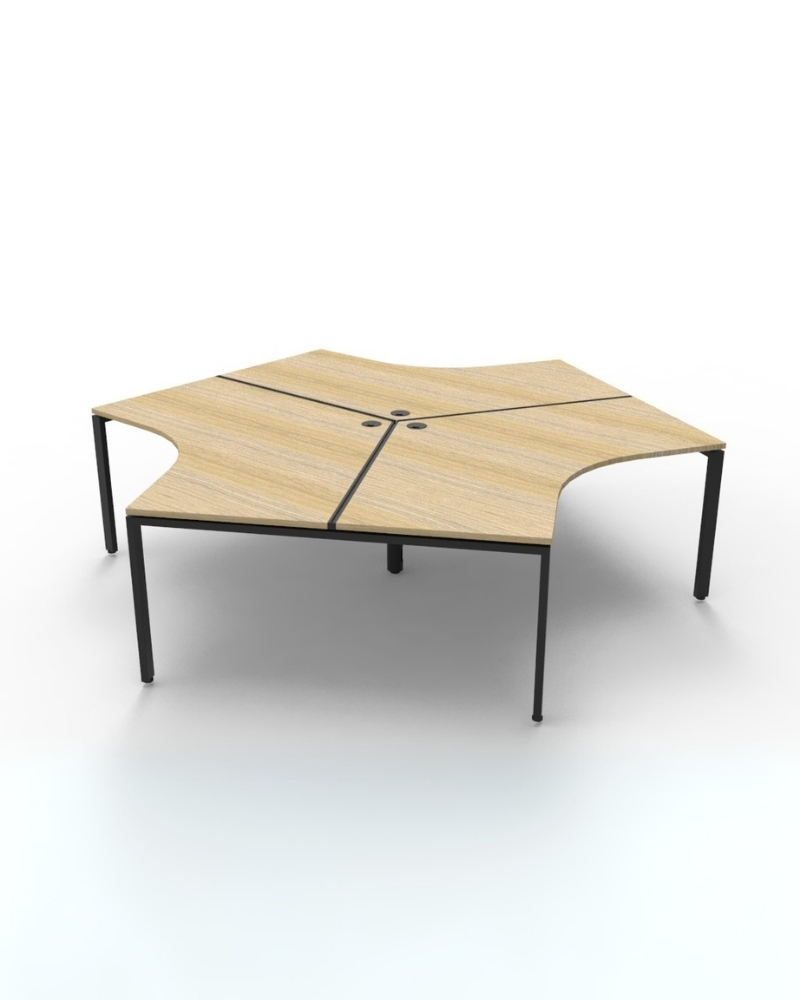
- Shared bench workstations work well for startups that need multiple people in a narrow room. r
r
If space is very limited, consider compact depth desks from a commercial range that is designed for small offices. You can explore options in guides such as best office desks for small spaces.
rr
Built In Storage and Cable Management
r
A well planned desk does more than hold a laptop. It also keeps clutter out of sight, which matters for professional offices, customer facing counters, and school receptions.
r
- r
- Under desk mobiles and drawers keep files, menus, or student records close at hand but off the work surface. r
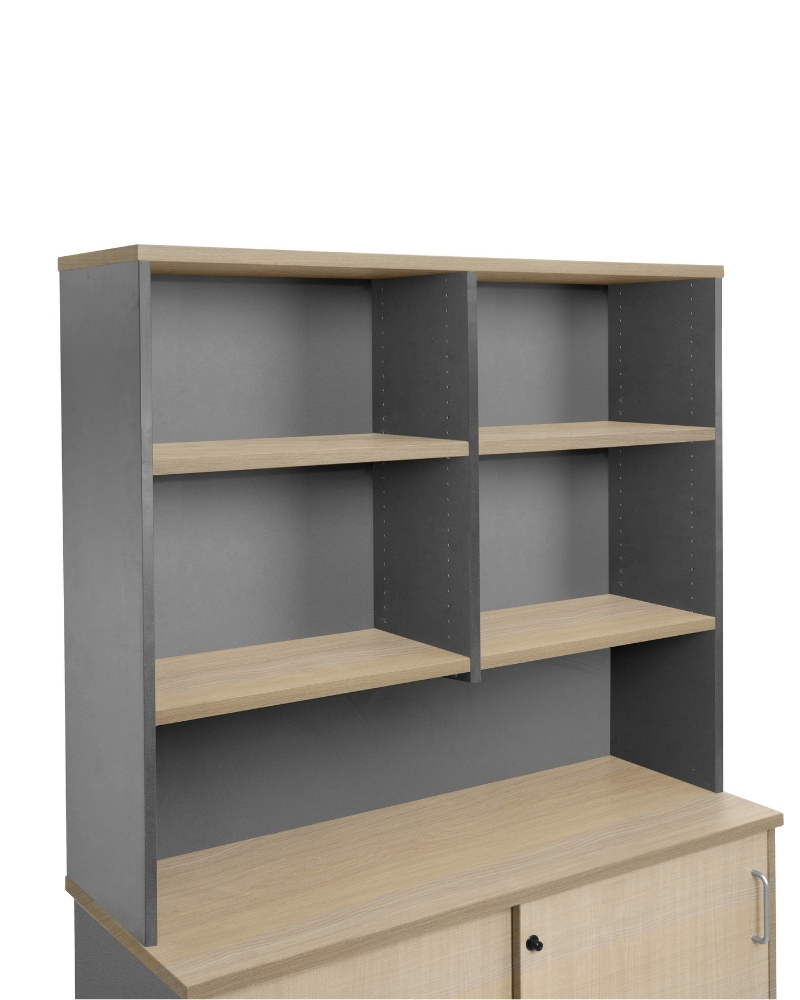
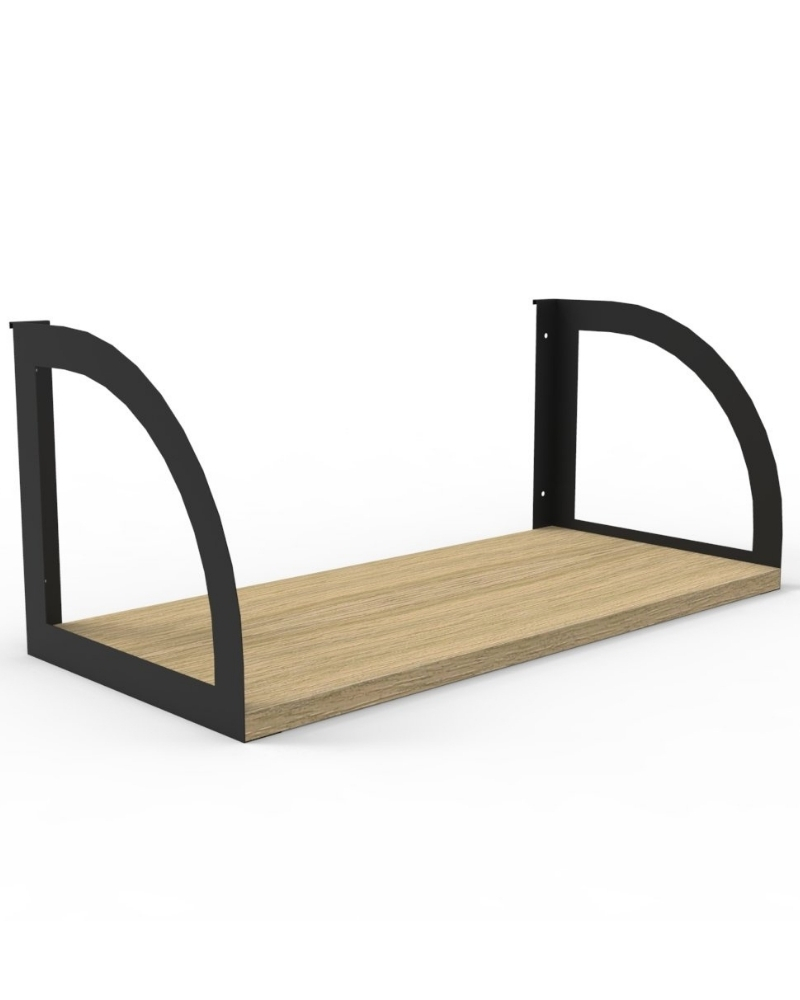
- Overhead shelves or hutches suit back of house offices where vertical space is easier to use than floor area. r
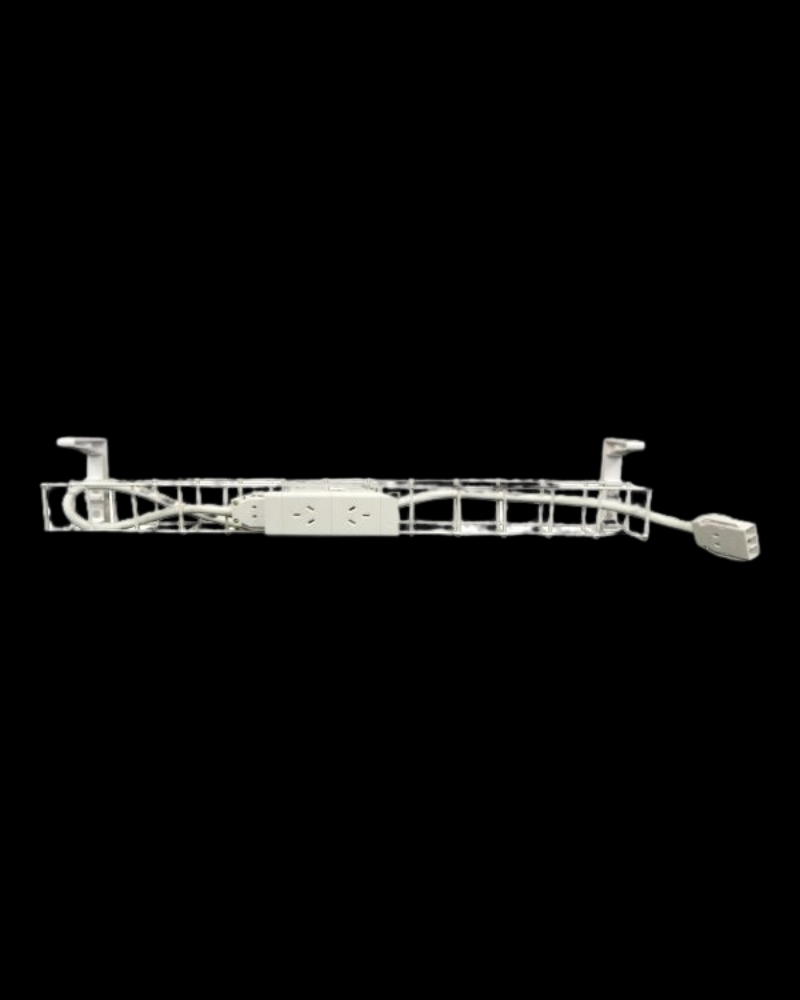
- Cable access ports and trays keep power boards, chargers, and POS cords tidy, so you reduce trip hazards and visual mess. r
r
When you plan power and data, allow for at least one extra device per workstation. This future proofs the setup for hardware changes without another layout overhaul.
rr
Supporting Different Workstyles and Privacy Levels
r
Desk choice should reflect how people work, not just where you can fit furniture.
r
- r
- Collaborative zones like startup teams or shared planning areas respond well to long benches or grouped desks with low screens, so people can see and talk easily. r
- Focused or confidential work such as school administration, finance, or HR benefits from individual desks with higher screens or side returns to shield paperwork. r
- Hospitality admin corners often need a slim desk close to the floor or kitchen, with enough privacy for rosters and supplier invoices, but not so bulky that it blocks movement. r
r
If you expect the space to change often, consider modular desks that can reconfigure between rows, clusters, and single stations. Pair them with ergonomic chairs that are easy to move, or consult guides such as choosing ergonomic office chairs for Australian startups to keep comfort consistent as layouts shift.
Navigating Purchasing and Delivery in Melbourne
Busy owners and administrators do not have time for drawn out furniture orders. A smart procurement process keeps your project on schedule, protects your budget, and avoids disruptions for staff, students, or customers.
Step 1: Shortlist Local, Reliable Suppliers
Start by narrowing your search to suppliers with a strong presence in Melbourne and commercial experience with offices, hospitality, and education. Look for:
- Clear delivery information for metropolitan and outer suburbs, including typical lead times.
- Commercial warranties on desks, not just “home use” coverage.
- Assembly and installation options, especially if you are fitting out a full office, café, or school block.
- Support by phone or email so you can clarify specs before you commit.
If you plan a larger order, it helps to work with a trusted local specialist such as Richmond Office Furniture, where you can review desks, chairs, and storage in one place and keep the fitout consistent.
Step 2: Use Online Platforms for Speed and Value
For time poor professionals, a well structured online store can save hours. When you compare sites, check that you can:
- Filter by size, colour, and material so you quickly match your floor plan and design.
- View clear product specs, including dimensions and weight ratings.
- Access bulk pricing for multiple desks, tables, and storage units in one order.
- Choose flexible payment options that fit business or school procurement policies.
For growing startups, guides such as bulk office furniture solutions can help you structure a staged purchase plan that aligns with cash flow and hiring plans.
Step 3: Plan Delivery and Installation Around Your Operations
To avoid downtime, lock in the logistics early. Before you press “buy”, confirm:
- Delivery windows that suit your opening hours, school term, or office move date.
- Access details, such as lifts, loading bays, and parking limits for trucks or vans.
- Who assembles the desks, and whether packaging will be removed from site.
- Contingency time for minor delays, so you are not fitting furniture during service or class time.
Many Melbourne sites benefit from planned after hours or weekend installation, especially in CBD locations or busy cafés. A well coordinated delivery and setup means your new desks are installed, level, and ready to use so your team can walk in and get straight to work.
Conclusion and Next Steps
Choosing the right desks for your Melbourne workspace is not about chasing trends. It is about creating a comfortable, practical environment that supports how your people work, learn, and serve customers.
Across startups, cafés, and schools, the same core factors keep showing up. You need ergonomic design that supports healthy posture, durable materials that handle daily use, smart sizing and layout that respect tight floor plans, and style that reflects your brand or campus identity. On top of that, you need a realistic budget, clear lead times, and a supplier who can deliver and install in Melbourne without disrupting your operations.
Balance functionality, style, and cost
When you compare options, use this simple hierarchy:
- Function first Do the desks support the tasks, technology, and workflows in your space
- Comfort next Will staff, teachers, or managers still feel supported at the end of a full shift
- Style and finishes last Do colours and materials align with your brand, venue concept, or school environment
If a product looks great but fails on ergonomics or durability, treat that as a red flag, even if the price looks sharp.
Practical first steps for Melbourne buyers
You can move from ideas to action with a straightforward process:
- Measure your space Mark out clear walkways, shared equipment zones, and where desks can realistically sit.
- List your must haves Ergonomics, storage, cable management, and any compliance or procurement requirements.
- Set a working budget Include desks, chairs, and basic accessories so you do not under allow on core items.
- Shortlist commercial ranges that match your needs, then compare materials, warranties, and lead times.
- Plan delivery and installation around quiet periods, such as before opening, after hours, or during school holidays.
If you want to refine your ergonomic setup, resources such as how to set up an ergonomic desk and how to choose ergonomic office chairs can help you complete the workstation correctly.
Next move Take your measurements and must have list, then speak with a trusted Melbourne supplier who understands offices, hospitality, and education. With clear information and the right partner, you can fit out your workspace with desks that look professional, feel comfortable, and keep performing for years to come.

 Office Cupboards